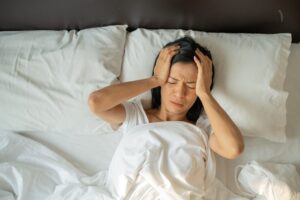
Getting enough quality sleep is essential for feeling rested, focused, and ready for the day. However, persistent snoring, frequent nighttime awakenings, difficulty staying asleep, or waking up feeling tired can indicate that something is interfering with normal sleep. While occasional sleep problems are common, ongoing symptoms may point to an underlying sleep disorder that needs attention.
Understanding the different types of sleep disorders, their symptoms, and available treatment options can help you recognize when it may be time to seek professional guidance. For individuals experiencing symptoms related to sleep apnea, Sleeping disorder treatment Anaheim Hills CA may include a sleep evaluation, diagnostic testing, and treatment options designed around the patient’s specific needs.
Understanding Sleep Disorders
A sleep disorder is a condition that interferes with a person’s ability to sleep normally. Some disorders make it difficult to fall asleep or remain asleep, while others interrupt breathing or prevent the body from getting restorative sleep throughout the night.
There are many sleep disorder types, and they can affect people in different ways. Insomnia, sleep apnea, restless legs syndrome, and circadian rhythm disorders are among the conditions that can interfere with normal sleep. Some people may experience one condition, while others may have more than one factor affecting their sleep.
A persistent sleeping issue should not always be dismissed as stress, a busy schedule, or an occasional late night. When poor sleep becomes a regular pattern, identifying the underlying cause can help determine whether treatment is needed.
Common Types of Sleep Disorders
There are several common sleep disorders, and their symptoms can overlap. Insomnia is commonly associated with difficulty falling asleep, staying asleep, or waking earlier than intended. Sleep apnea is different because it involves repeated interruptions in breathing during sleep.
Other conditions can affect sleep through unusual movements, an uncomfortable urge to move the legs, or an irregular sleep-wake schedule. Because there are many sleep disorder types, identifying the specific condition is important before choosing a treatment.
People often search for information about what are some common sleep disorders when they begin experiencing persistent changes in their sleep. Learning about these conditions can be useful, but symptoms alone do not always reveal the underlying problem.
A professional assessment can help determine whether symptoms are related to sleep apnea, another sleep disorder, lifestyle factors, or another health concern.
Recognizing Symptoms of Sleep Disorders
The symptoms sleep disorders cause can vary depending on the condition. Some signs are obvious, while others may be noticed first by a partner or family member.
Common symptoms may include:
- Difficulty falling asleep or staying asleep
- Loud or persistent snoring
- Gasping or choking during sleep
- Pauses in breathing noticed by a bed partner
- Waking frequently throughout the night
- Morning headaches
- Dry mouth after waking
- Excessive daytime sleepiness
- Difficulty concentrating
- Feeling tired despite spending enough time in bed
These sleep disturbance symptoms can affect daily activities when they occur regularly. Someone may believe they are getting enough sleep because they spend several hours in bed, but repeated interruptions can prevent normal restorative sleep.
Some poor sleep pattern symptoms can also develop gradually. Daytime fatigue, reduced concentration, and feeling unrefreshed in the morning may seem unrelated to sleep at first, particularly when nighttime awakenings are not remembered.
Understanding Poor Sleep and Sleep Deprivation
Lack of sleep can refer to not getting enough hours of sleep, but it can also describe sleep that is repeatedly interrupted or poor in quality.
A lack of sleep condition can develop because of an inconsistent schedule, lifestyle habits, stress, medical concerns, or a sleep disorder. For some people, the problem is simply insufficient sleep. For others, an underlying condition may prevent them from getting the restorative sleep their body needs.
The cause of sleep problems is therefore important to understand. Simply spending more time in bed may not resolve the problem if breathing interruptions or another condition continues to disturb sleep.
Persistent sleep deprivation can affect daytime alertness and overall quality of life. If poor sleep continues despite making healthy changes to your routine, discussing the symptoms with a qualified healthcare professional may be appropriate.
What Can Cause Disrupted Sleep?
There are many possible reasons for disrupted sleep patterns. Stress, an inconsistent bedtime, caffeine, alcohol, certain medications, uncomfortable sleeping conditions, and changes in daily routines can all affect sleep.
Medical conditions can also contribute to nighttime problems. Breathing-related conditions such as obstructive sleep apnea are particularly important because they can repeatedly interrupt normal sleep without the person being fully aware of what is happening.
During an episode of obstructive sleep apnea, the tissues in the upper airway can narrow or collapse while a person is asleep. This can restrict airflow and cause the body to briefly wake or shift into a lighter stage of sleep so breathing can resume.
These repeated interruptions can contribute to sleep disturbances and may leave a person feeling tired even after spending an appropriate amount of time in bed.
When Snoring May Be a Sign of Sleep Apnea
Snoring is common and does not automatically mean that someone has sleep apnea. However, loud and persistent snoring accompanied by other symptoms deserves attention.
Gasping, choking, witnessed pauses in breathing, morning headaches, dry mouth, and excessive daytime sleepiness can all occur with obstructive sleep apnea. Some people may also experience difficulty concentrating or feel unusually tired throughout the day.
One of the challenges with sleep apnea is that a person may not realize how often their sleep is being interrupted. A partner may notice changes in breathing before the individual recognizes a problem.
If these symptoms occur regularly, it is worth discussing them with a qualified professional rather than ignoring them. Dr. Jack Ringer DDS can help evaluate sleep-related concerns and determine whether symptoms may be associated with sleep apnea or another condition affecting your quality of sleep.
The Role of a Sleep Study
A sleep study may be recommended when symptoms suggest that a person could have sleep apnea or another sleep-related condition. Depending on the situation, sleep testing can provide information about breathing patterns, oxygen levels, heart rate, and other factors that occur during sleep.
A sleep study can be particularly useful for people experiencing loud chronic snoring, witnessed breathing interruptions, nighttime gasping, excessive daytime sleepiness, or unexplained morning headaches.
The purpose of a sleep study is not simply to identify a problem but to provide information that can help guide appropriate treatment. Because different conditions can produce similar symptoms, testing can be an important part of understanding the underlying cause.
For people considering Sleeping disorder treatment Anaheim Hills CA, discussing symptoms with a qualified provider can help determine whether a sleep study or another form of evaluation may be appropriate.
Sleep Apnea and Its Effect on Sleep Quality
Obstructive sleep apnea is one of the most recognized breathing-related sleep conditions. It occurs when the upper airway becomes partially or completely blocked during sleep, reducing or stopping normal airflow.
When breathing is interrupted, the body responds to restore airflow. These repeated events can prevent the normal progression through restorative stages of sleep.
This is why someone with sleep apnea may wake in the morning feeling tired even after spending a full night in bed. The issue is not necessarily the amount of time spent sleeping but the quality and continuity of that sleep.
Over time, untreated symptoms can interfere with daytime energy, concentration, and overall well-being. For this reason, persistent signs of sleep apnea should be discussed with an appropriate healthcare professional.
How Are Sleep Disorders Treated?
For some people, improving sleep habits can make a meaningful difference. Maintaining a consistent bedtime, creating a comfortable sleep environment, limiting caffeine later in the day, staying physically active, and following appropriate medical advice can support healthier sleep habits.
However, lifestyle changes may not be enough when an underlying sleep disorder is present. In these situations, sleep disorders treatment may involve a combination of medical, behavioral, or dental approaches.
Treatment should be based on the individual’s diagnosis, symptoms, overall health, and clinical needs. This is especially important for sleep apnea, where the goal is to reduce airway obstruction and improve nighttime breathing.
Oral Appliance Therapy for Sleep Apnea
Oral appliance therapy can be an option for certain people with obstructive sleep apnea. A custom oral appliance is designed to be worn during sleep and can help maintain a more open airway.
Depending on the appliance design, it may gently reposition the lower jaw or tongue to reduce the tendency of the airway to become restricted during sleep. Because oral appliances are compact and worn only while sleeping, some patients may find them easier to incorporate into their nighttime routine.
However, an oral appliance is not appropriate for every person with sleep apnea. Suitability depends on factors such as the type and severity of the condition, individual anatomy, and the patient’s overall treatment needs.
For appropriate patients, dental sleep medicine can provide help with sleeping disorders associated with obstructive sleep apnea while complementing care provided by other healthcare professionals.
CPAP and Other Treatment Options
CPAP, or continuous positive airway pressure, is another established approach for treating obstructive sleep apnea. The device delivers a steady flow of air through a mask to help keep the airway open during sleep.
CPAP can be an effective treatment for many patients, although some people experience challenges adjusting to the equipment. Depending on the diagnosis, other treatment approaches may also be considered.
The appropriate approach can vary based on the individual’s symptoms, sleep study results, medical history, and treatment goals. In some situations, an oral appliance may be considered, while other patients may require CPAP or another form of treatment.
The goal of treating sleep problems is not simply to make someone feel less tired. It is to address the underlying issue that is interfering with healthy sleep.
Why an Individualized Approach Matters
There is no single solution for every sleeping treatment concern. Two people may experience similar symptoms while having completely different underlying conditions.
For example, daytime tiredness can be associated with insufficient sleep, insomnia, sleep apnea, medications, lifestyle factors, or other health concerns. Similarly, snoring can occur for several reasons and does not automatically confirm a diagnosis of sleep apnea.
This is why a personalized approach is important. An appropriate assessment can help identify the likely cause and determine whether additional testing or treatment is needed.
Patients looking for difficulty sleeping treatment should consider the broader pattern of their symptoms rather than focusing on one isolated sign. Persistent sleep disturbance symptoms may require a more detailed evaluation, particularly when they are accompanied by breathing-related symptoms.
Improving Sleep Health
Healthy sleep begins with consistent habits, but good sleep hygiene may not resolve every sleeping problem. Creating a regular bedtime routine, keeping the bedroom comfortable, limiting stimulating activities before bed, and maintaining healthy daily habits can support better sleep.
At the same time, ongoing sleep disturbances should not be ignored. If a person continues to experience loud snoring, repeated awakenings, breathing interruptions, or significant daytime fatigue, the issue may require more than lifestyle adjustments.
Rather than trying to determine the exact type of sleep disorder based only on online information, patients should discuss persistent symptoms with a qualified professional. A proper evaluation can provide a clearer understanding of the problem and the available treatment options.
Seeking Sleeping Disorder Treatment in Anaheim Hills
If sleep problems are affecting your energy, concentration, or daily routine, seeking professional guidance can help identify what may be interfering with your rest. Symptoms such as persistent snoring, gasping during sleep, pauses in breathing, morning headaches, and excessive daytime sleepiness may warrant further evaluation.
For individuals looking for Sleeping disorder treatment Anaheim Hills CA, dental sleep solutions may be considered when obstructive sleep apnea is involved. Depending on the patient’s diagnosis and needs, treatment may include oral appliance therapy or coordination with other healthcare providers.
If you are experiencing symptoms of obstructive sleep apnea or ongoing sleep concerns, Contact Dr. Jack Ringer DDS to schedule a consultation. The dental team can discuss your symptoms, evaluate whether an oral appliance may be suitable for your needs, and help you explore appropriate sleep apnea treatment options.
If you are experiencing ongoing snoring, interrupted breathing, or persistent daytime fatigue, contact the practice to schedule a consultation and discuss your sleep concerns. Addressing the underlying cause of disrupted sleep can be an important step toward more consistent and restorative rest.